It’s day three and we visited Paro, the other main city in Bhutan apart from Thimpu. Our guide today changed to Mr. Yeshi. He did not crack as many jokes as Mr. Kinley but was a true-blooded gentleman throughout our journey.
After a while, the scenery of Bhutan starts to look the same, and each Dzong blends into one. However, they are still very peaceful areas to visit.
Paro as a town does not look as developed as Thimpu, there are fewer inhabitants and lesser shops. Shopkeepers are more interested to be on Facebook rather than attend to customers. In fact, we even saw a monk surfing on facebook! How times have changed.
Here’s today’s Paro adventure in pictures:
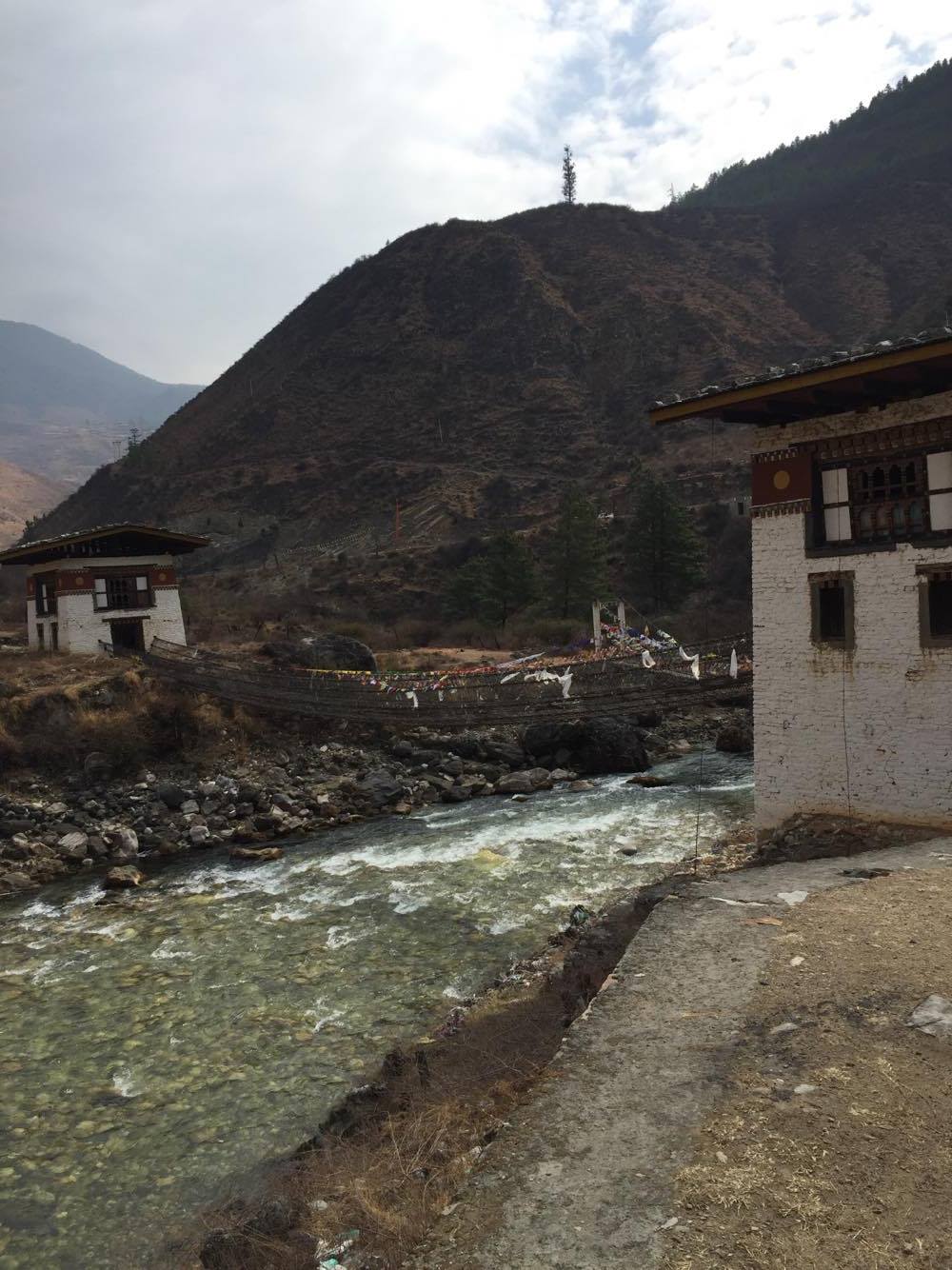
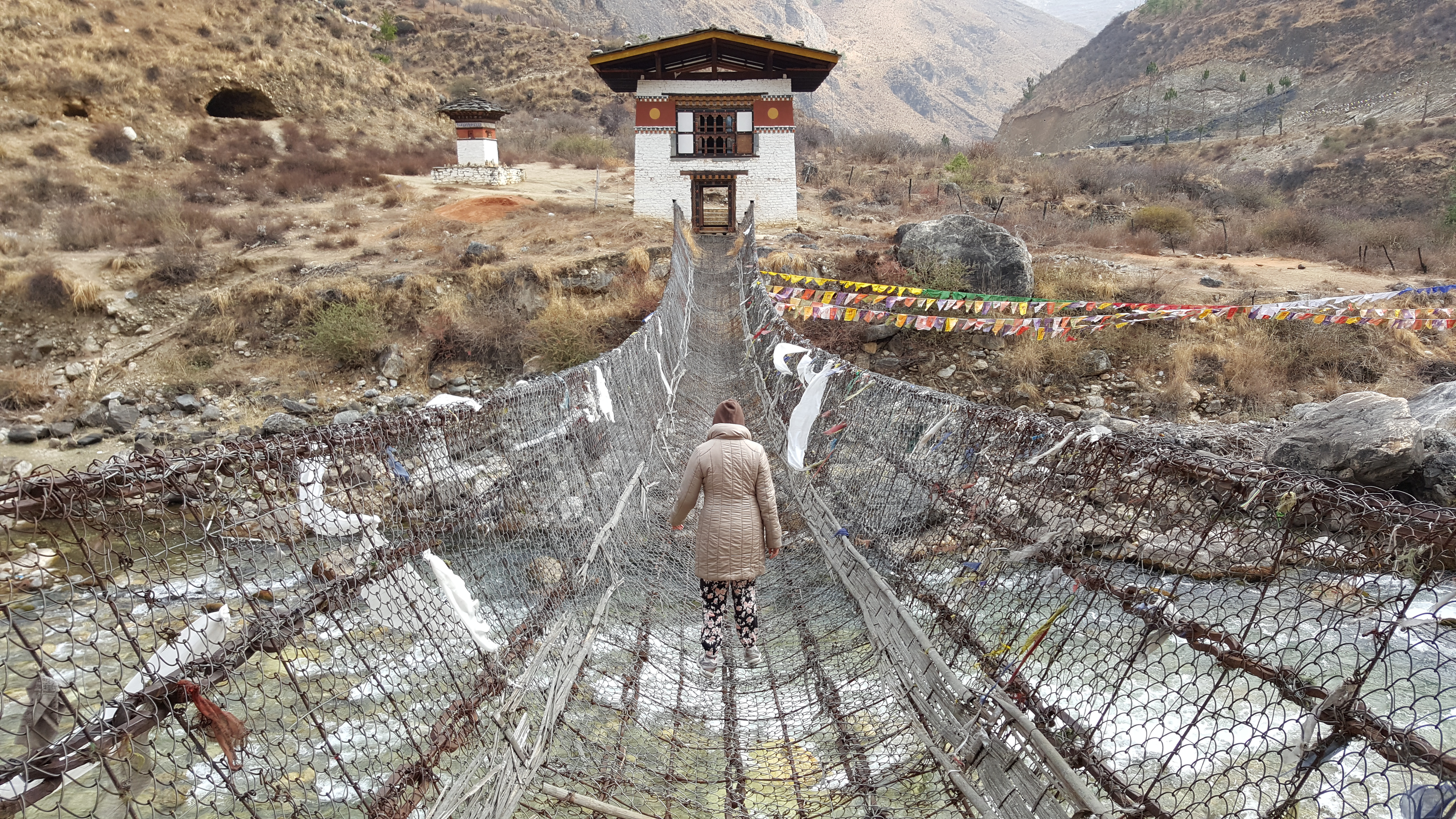
1) This is a suspension bridge en-route Paro. The chains of this bridge were made in the 14th century, and it was constructed in 1900s. Needless to say it was quite rickety and scary, but I made it to the middle somehow. The gorgeous river flowing below definitely motivated me!
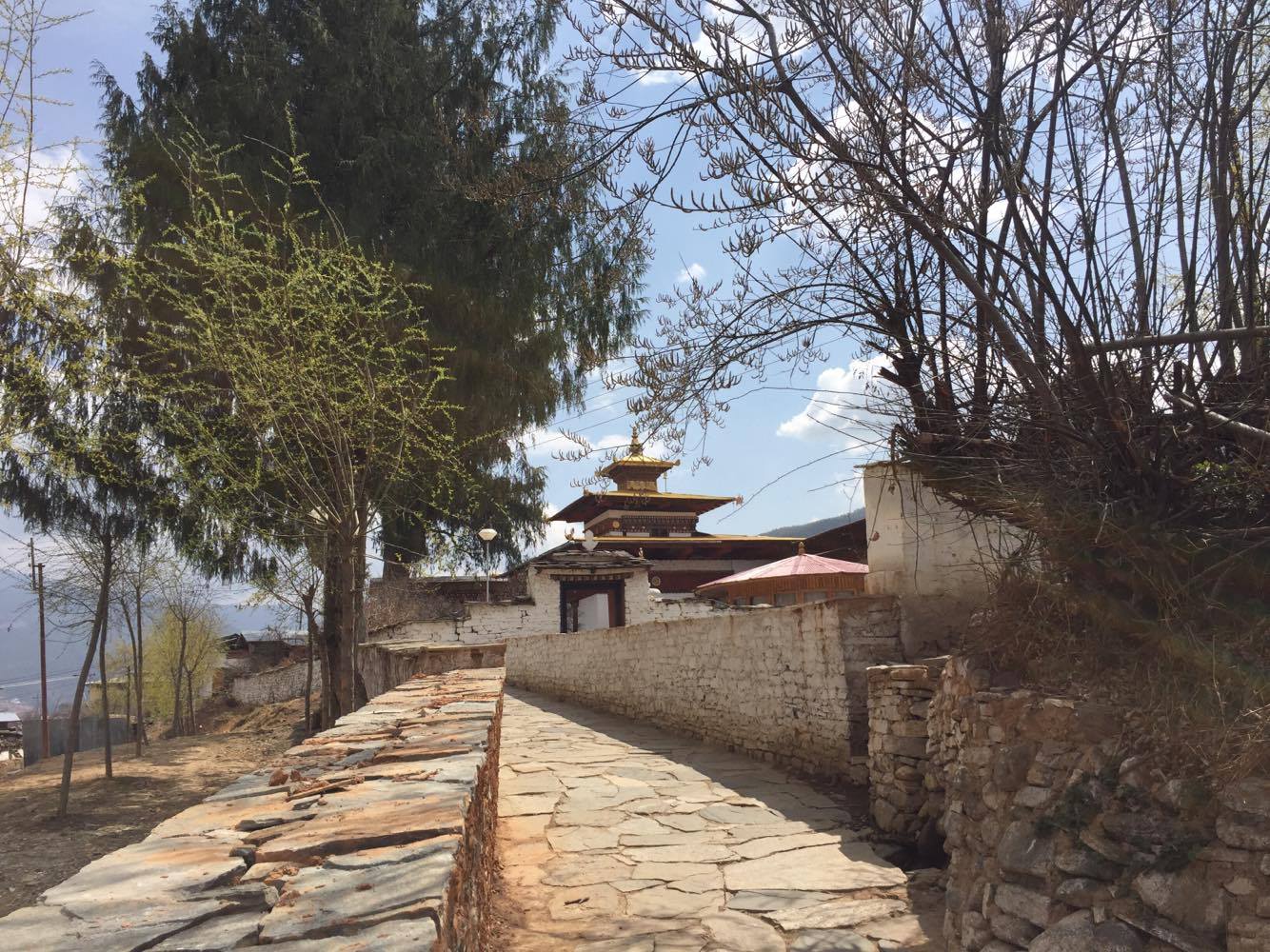
2) Kyichu Lhakhang Monastery is the oldest monastery in Bhutan, dating back to the 7th century. I had a very deep meditation inside their shrine, owing to the amazing energy.
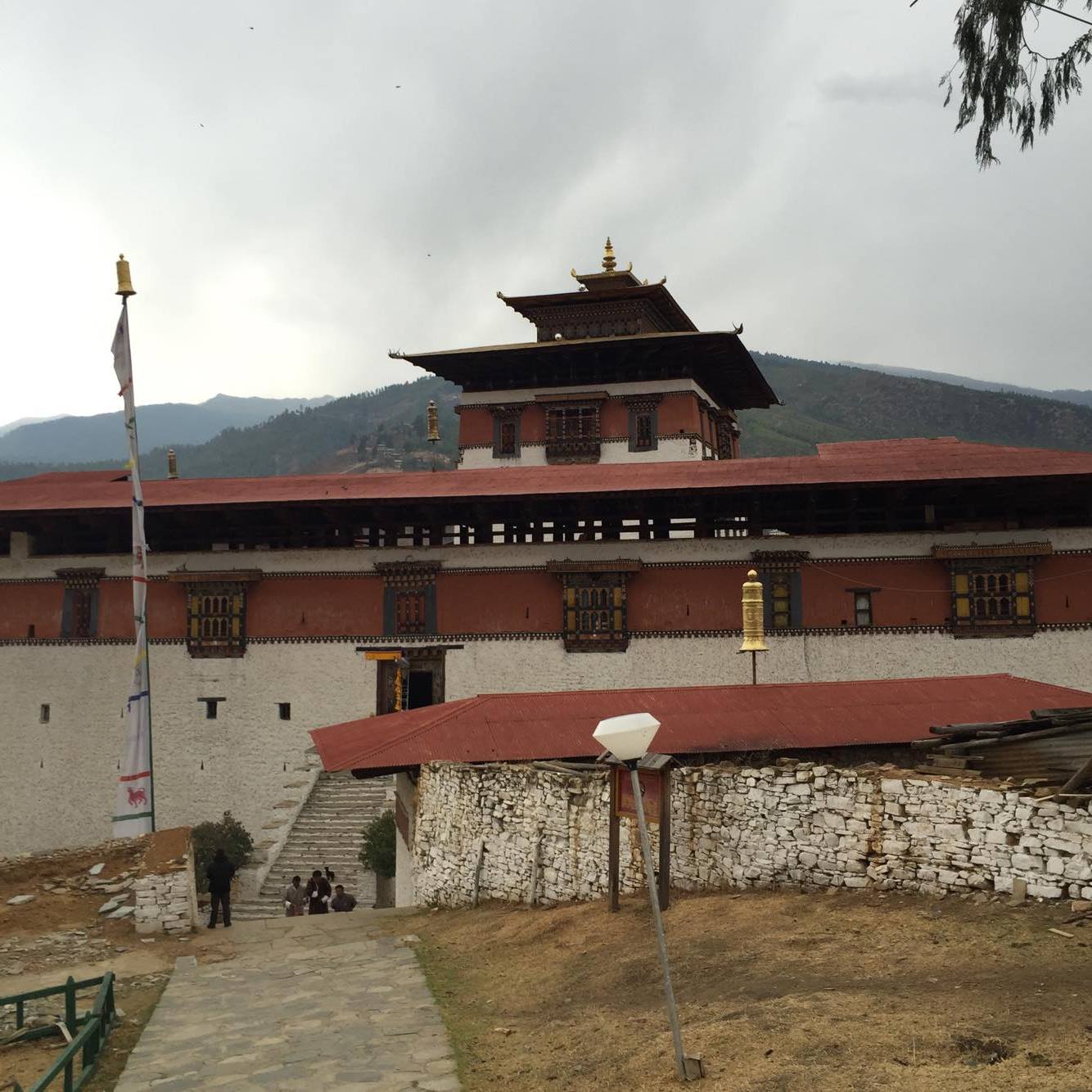
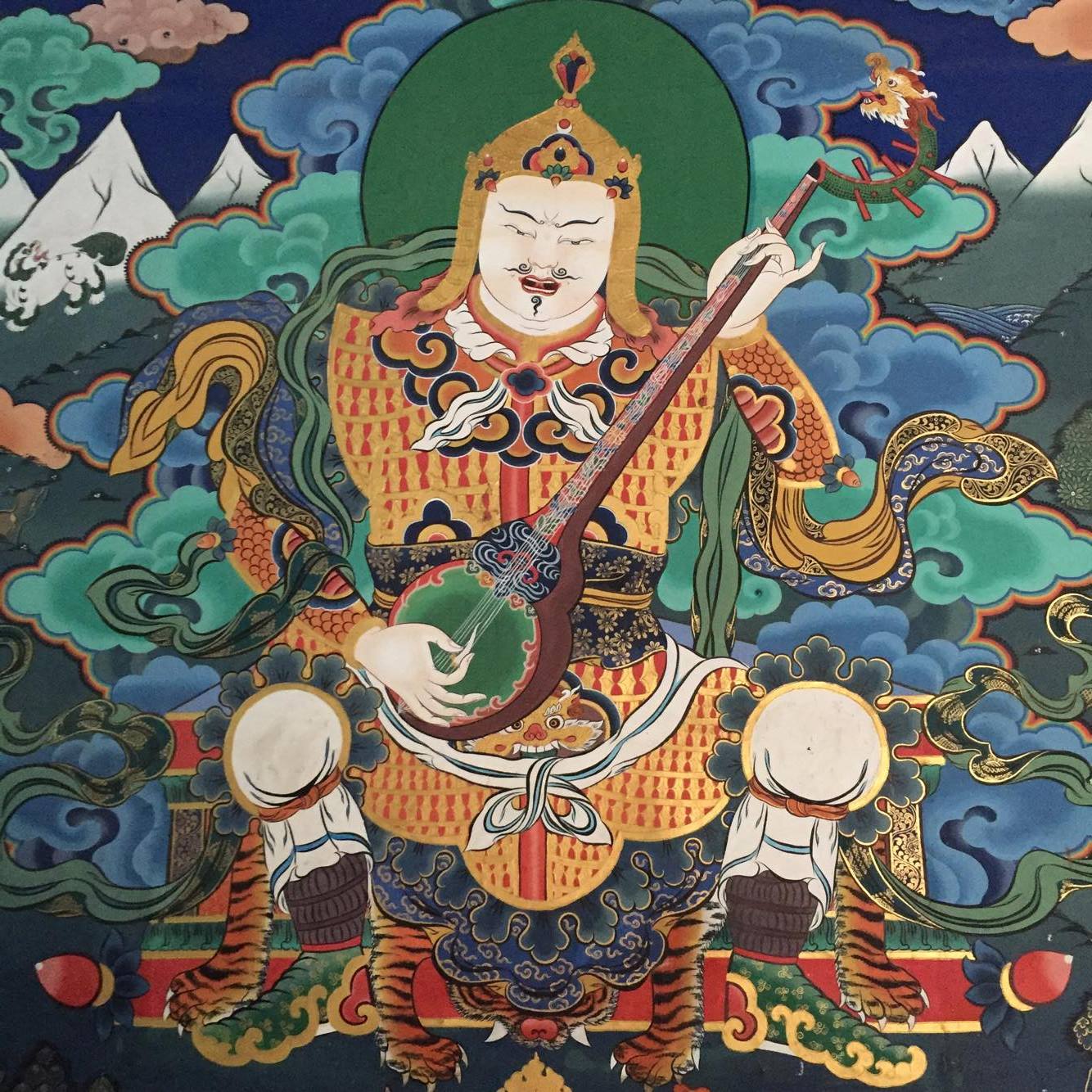
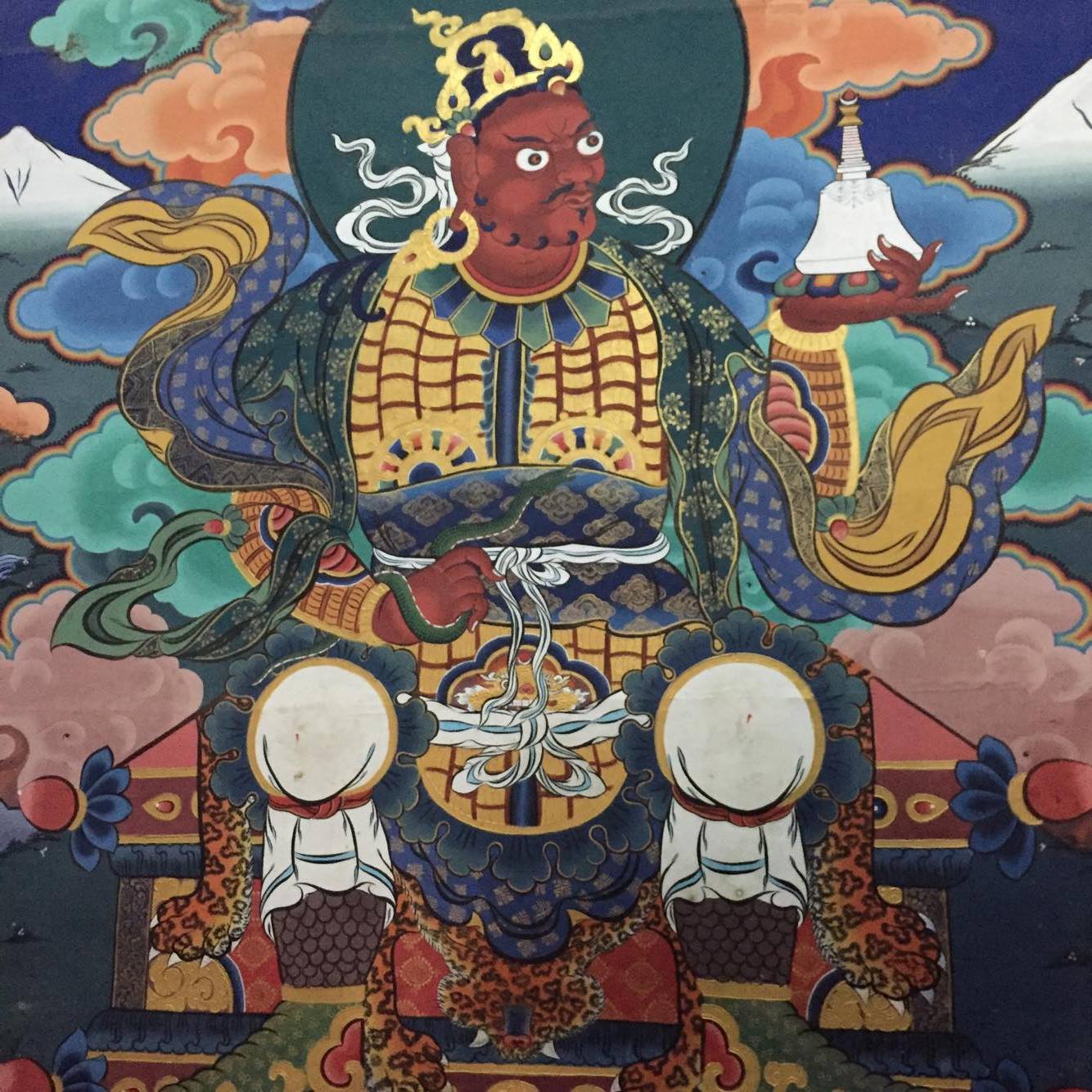
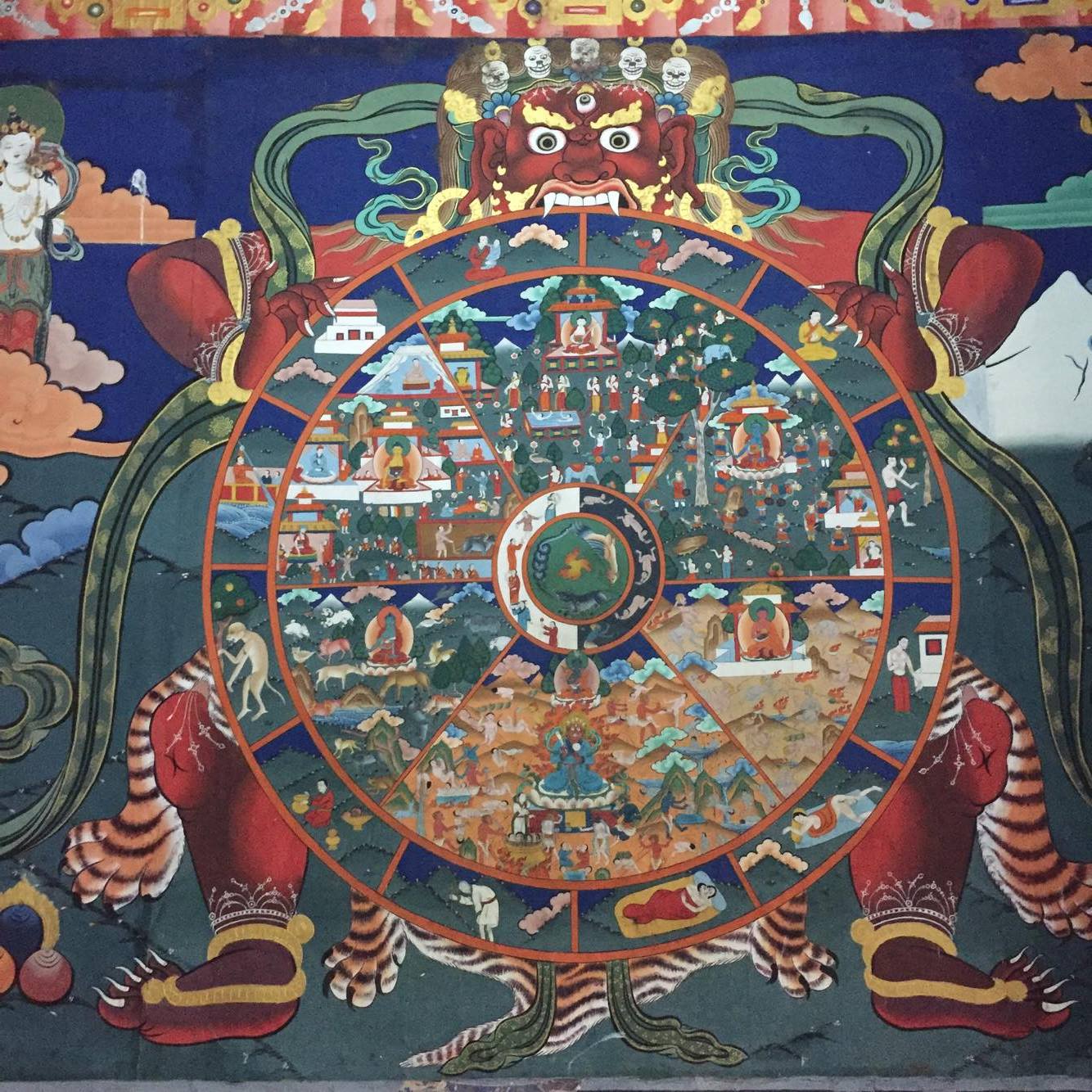
3) Rinpung Dzong, Paro is older than the one in Thimpu. I have explained what a Dzong is, here. It was interesting to see monk children, as young as five years old. Apparently in Bhutan, it used to be compulsory for every family to send one son to learn how to be a monk. But now it is simply a choice of the individual or family. I also clicked some amazing pictures of wall paintings, each of them having cultural significance.
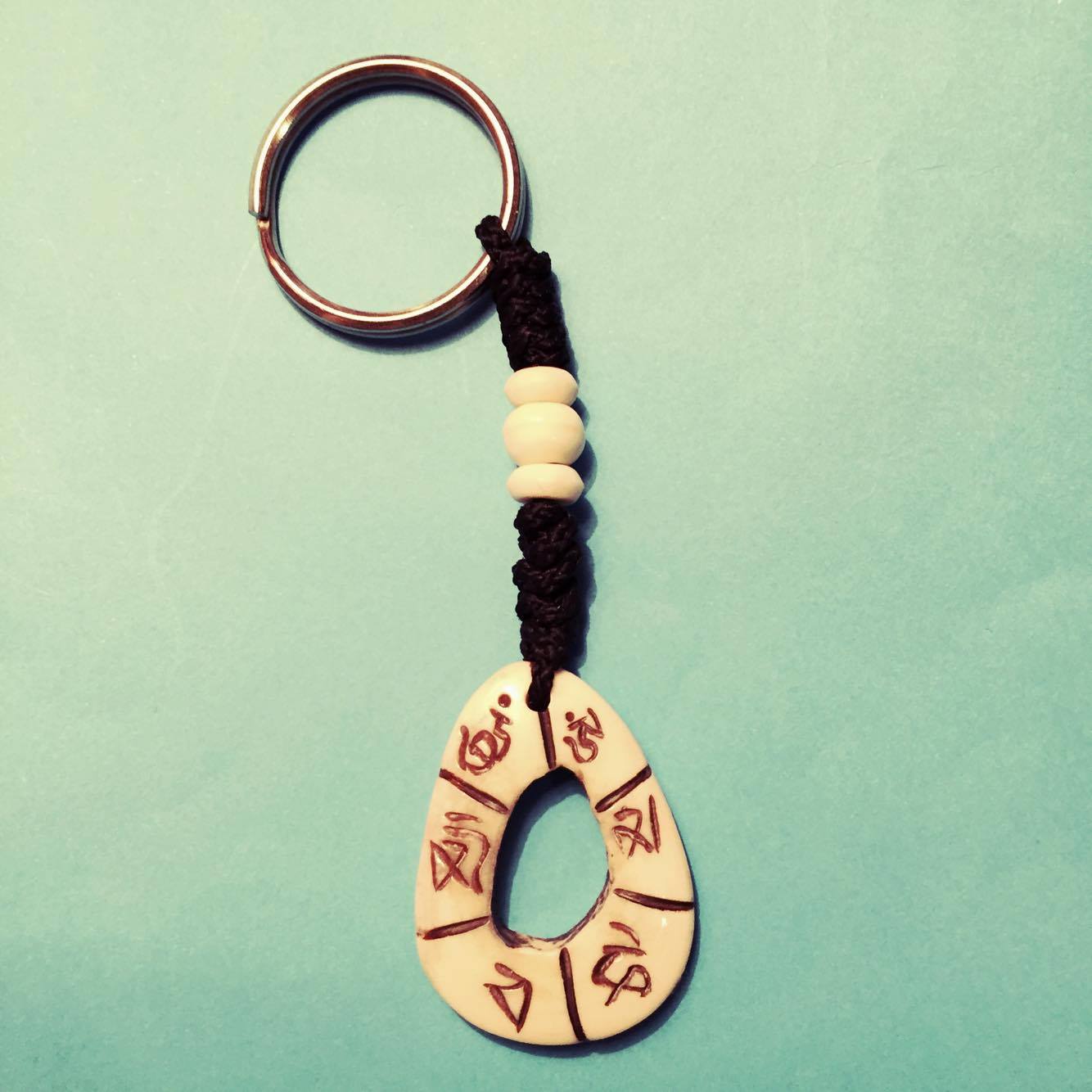
Source of Keychain: Handicraft market, Paro.


When we visited Laos, I was surprised to learn that envy male was expected to spend some time (a week, a month, a year) as a monk. For some young boys, it was the only way to get an education.
LikeLike
Thank you for your lovely comments :D. Yes it used to be compulsory in Bhutan but the previous king changed that and now it’s basically a choice for the people!
LikeLike